Images That Build Bridges
Participatory Photography is a visual method that acknowledges individuals as experts in their own lives. Unlike traditional photography, where subjects are passively portrayed by external photographers, participatory photography empowers individuals to capture and narrate their own stories. It was the main method which we explored during
“Sharing Stories, Building Bridges” a training course for youth workers in which we focused on learning how visual, photography based tools can be used for supporting young people at risk of exclusion.
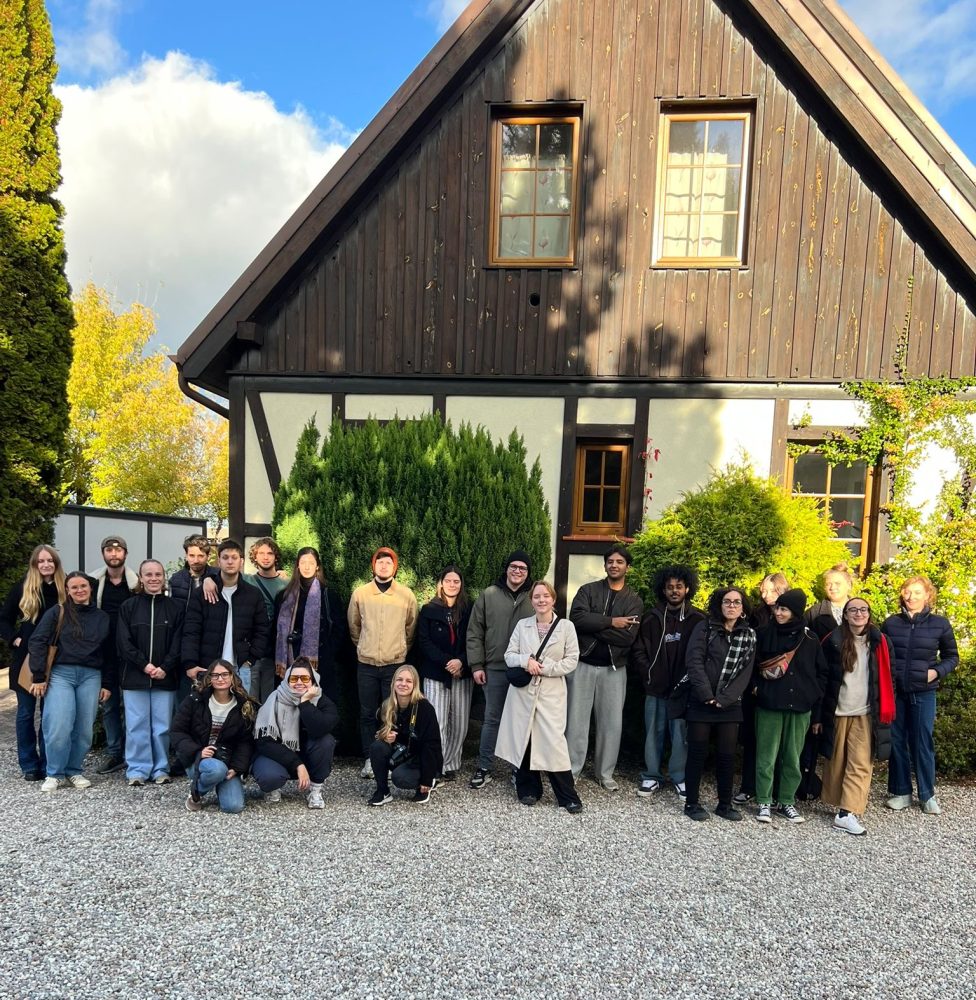
The event gathered youth workers from Bulgaria, Denmark, Belgium, Hungary, Italy, Slovakia, Spain, Romania and Poland who came together to explore how photographic methods based on creativity and supporting self-expression can be used while working with young people at risk of exclusion. During the training, we engaged in various types activities, exploring both theoretical and practical aspects of the topic:
Day 1
The main focus of the first day was to get to know each other and build a safe space for further learning and exchanging ideas. Participants took part in several small activities, like speed dating and human bingo, that aimed at helping them get to know each other through sharing stories. Next, they went for a picture treasure hunt, where their main task was to photograph different places in the local community. Later they had a session on expectations, contributions, and fears, engaging in a creative reflection that helped them make a plan for what they wish to accomplish in terms of their learning goals.
Day 2
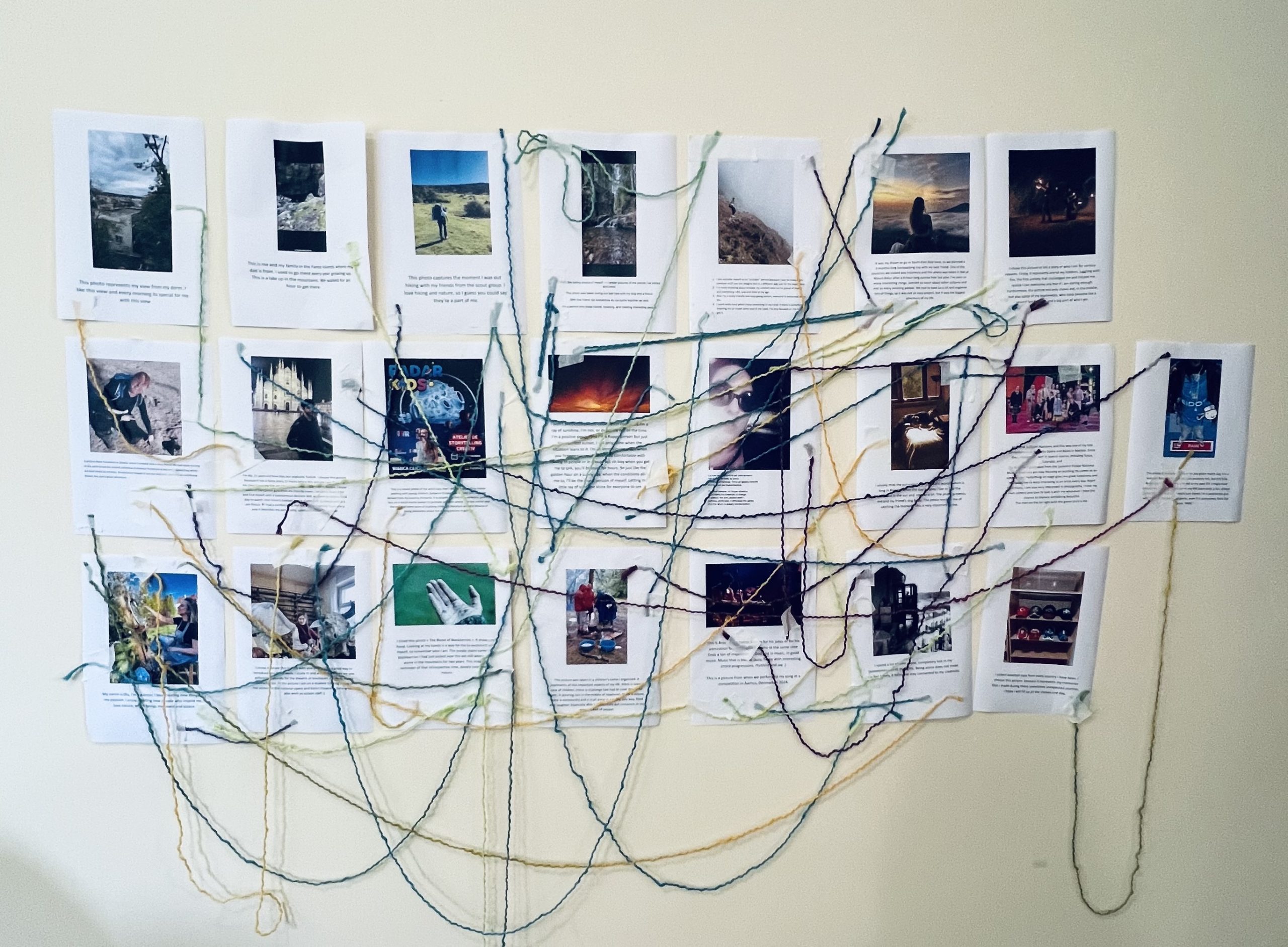
Participants continued getting to know each other through visual tools – the first activity they engaged in was a wall of connection – an exercise in which participants presented pictures from their lives and found out what they had in common. Next, we had a presentation about participatory photography that allowed participants to explore theoretical aspects and good practices related to participatory media methods. We focused on how participatory photography is a group process and how it can be used for supporting young people at risk of exclusion by providing them with an opportunity to raise their voice about issues that are important to them.
The next method was devoted to more practical tasks – participants took part in several small storytelling exercises (based on drawing, writing, and talking about objects).
Day 3
The day started with a presentation about inclusion and exclusion that combined theoretical input with practice, as participants engaged in a simulation game that allowed them to explore mechanisms of exclusion. We also continued our creative sessions by learning how to take pictures that visualize and symbolize important social issues and topics related to inclusion, exclusion, and discrimination.
Day 4
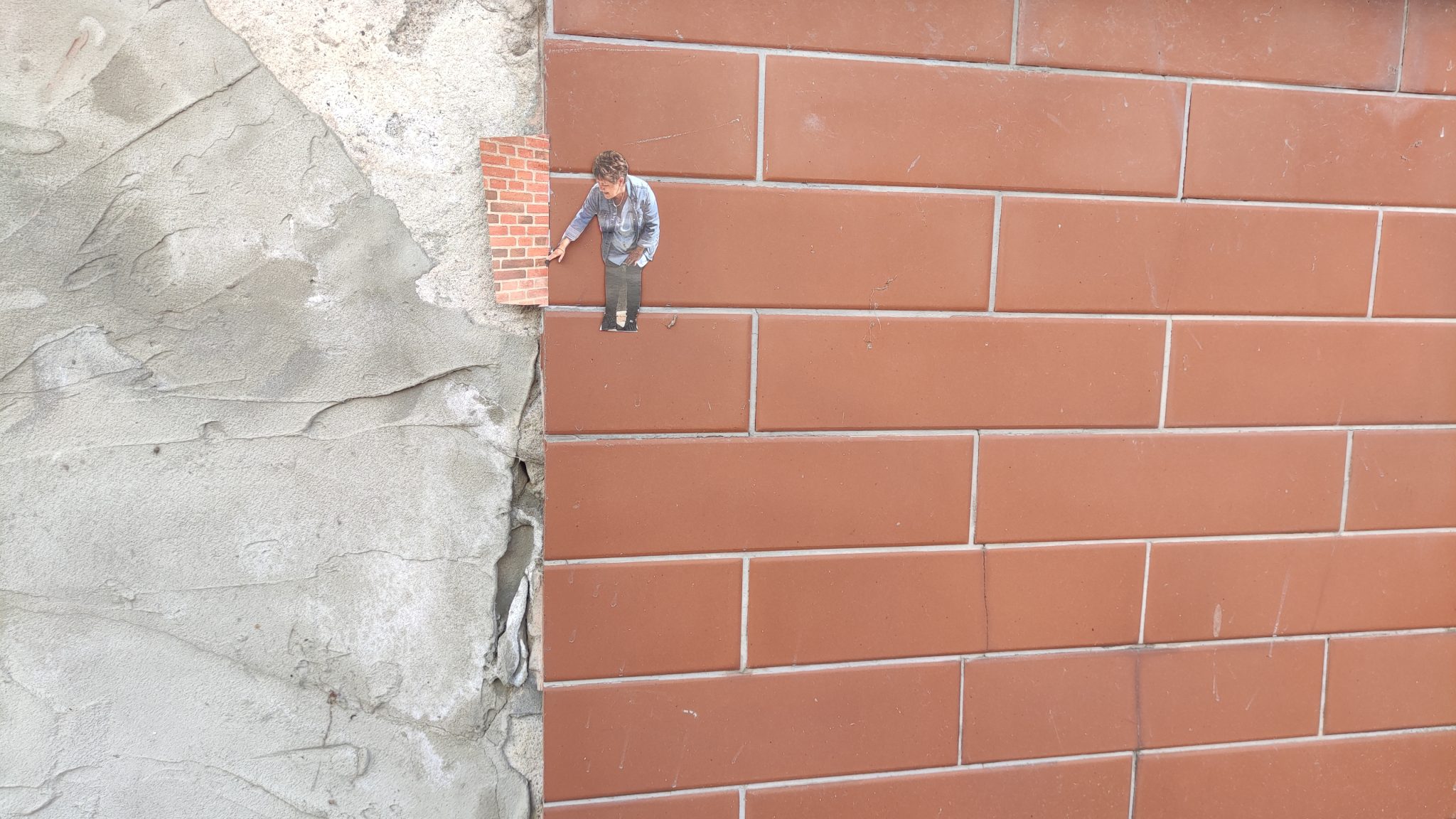
The training continued with activities focused on discovering how photo based tools can be used for supporting young people in self-reflection and self-exploration. To do this, they did two major creative activities: Self-portrait: the task was to take a photograph that shows who participants are and what is important for them. As they were not allowed to take a picture that showed their faces, they were invited to explore other creative possibilities for self-expression, such as taking photos of their reflections or shadows, meaningful objects, body parts, or landscapes. In the afternoon participants took part in the session on photography and identity, exploring how photos can express values and experiences related to who they are.
Day 5
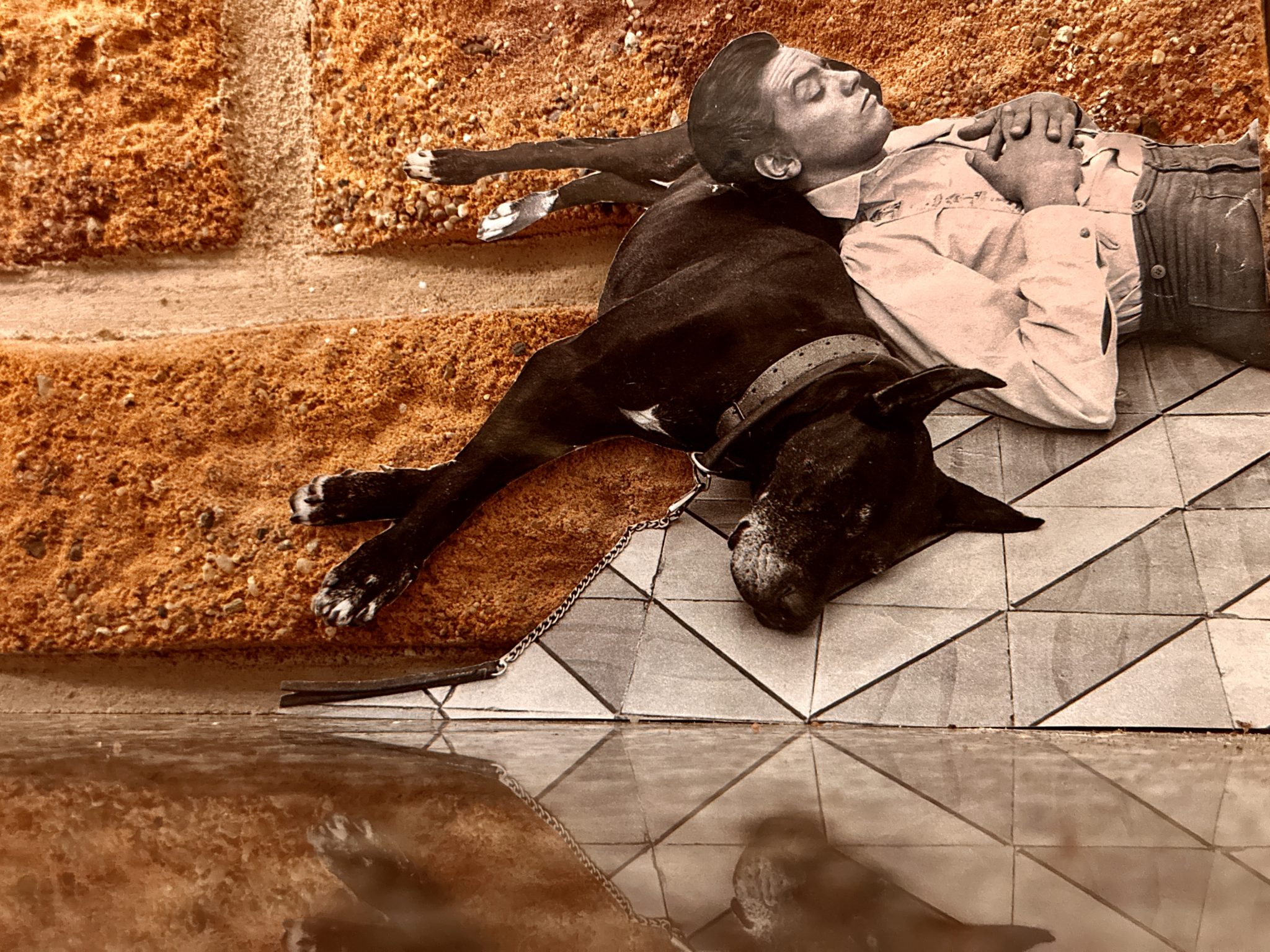
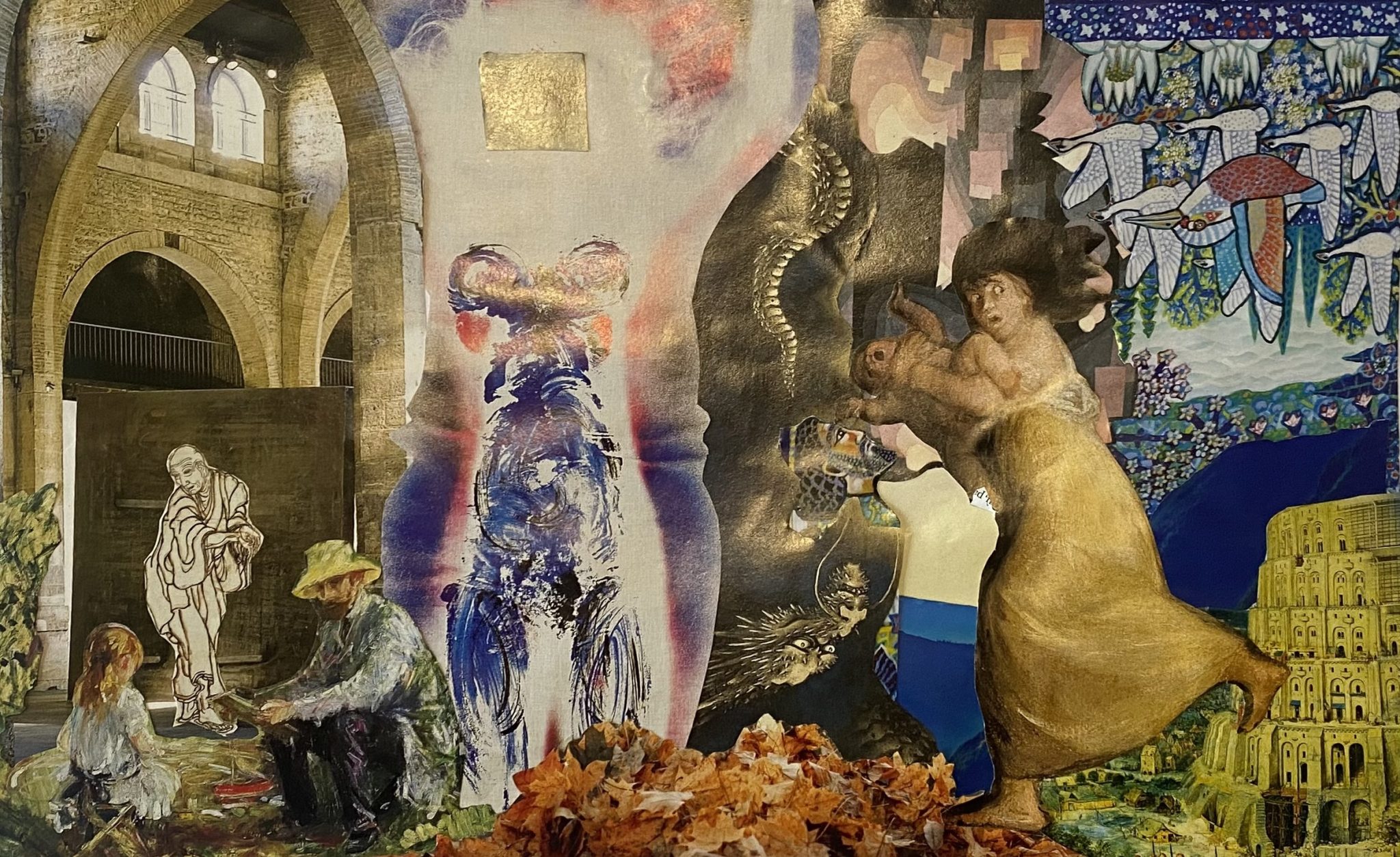
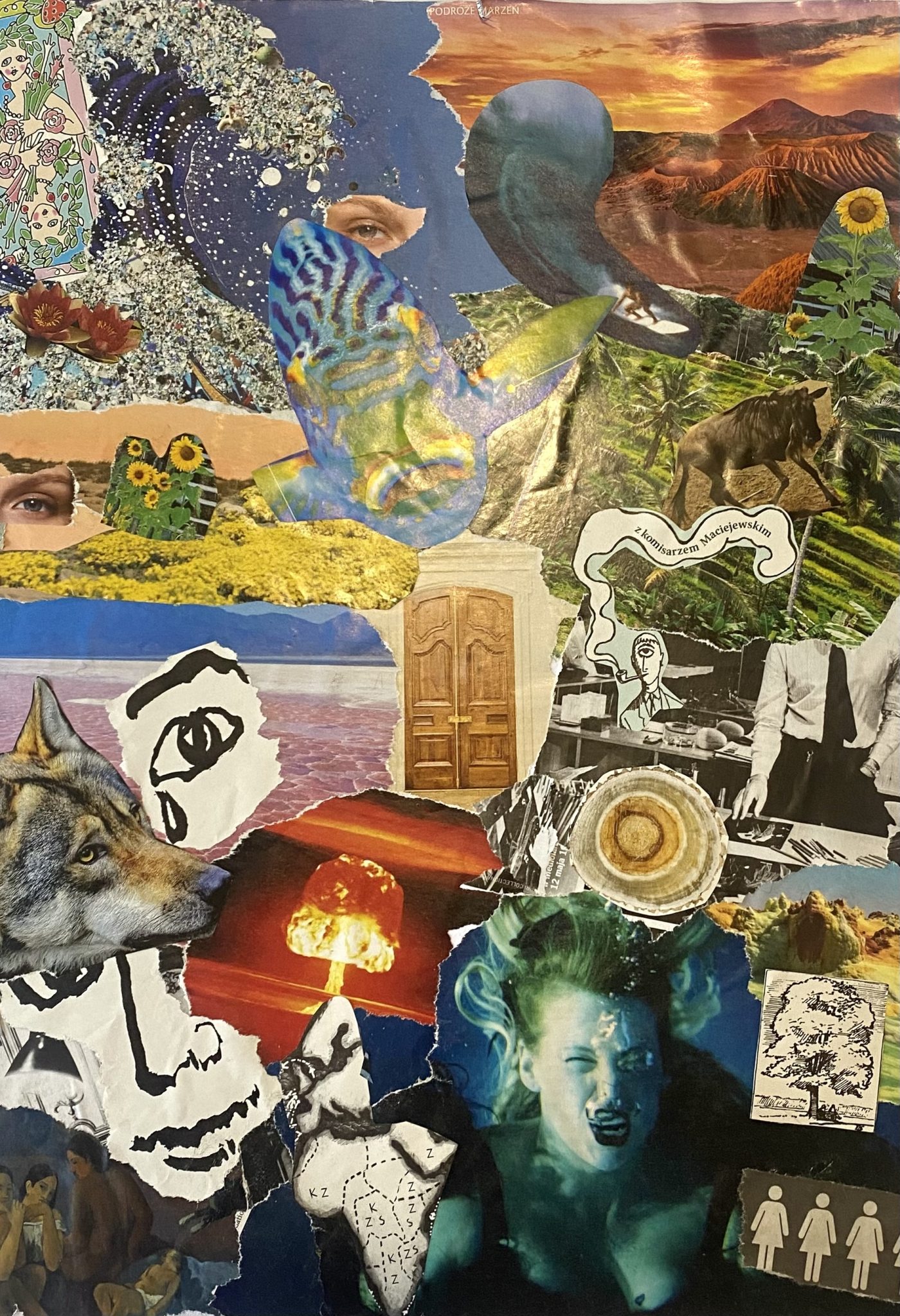
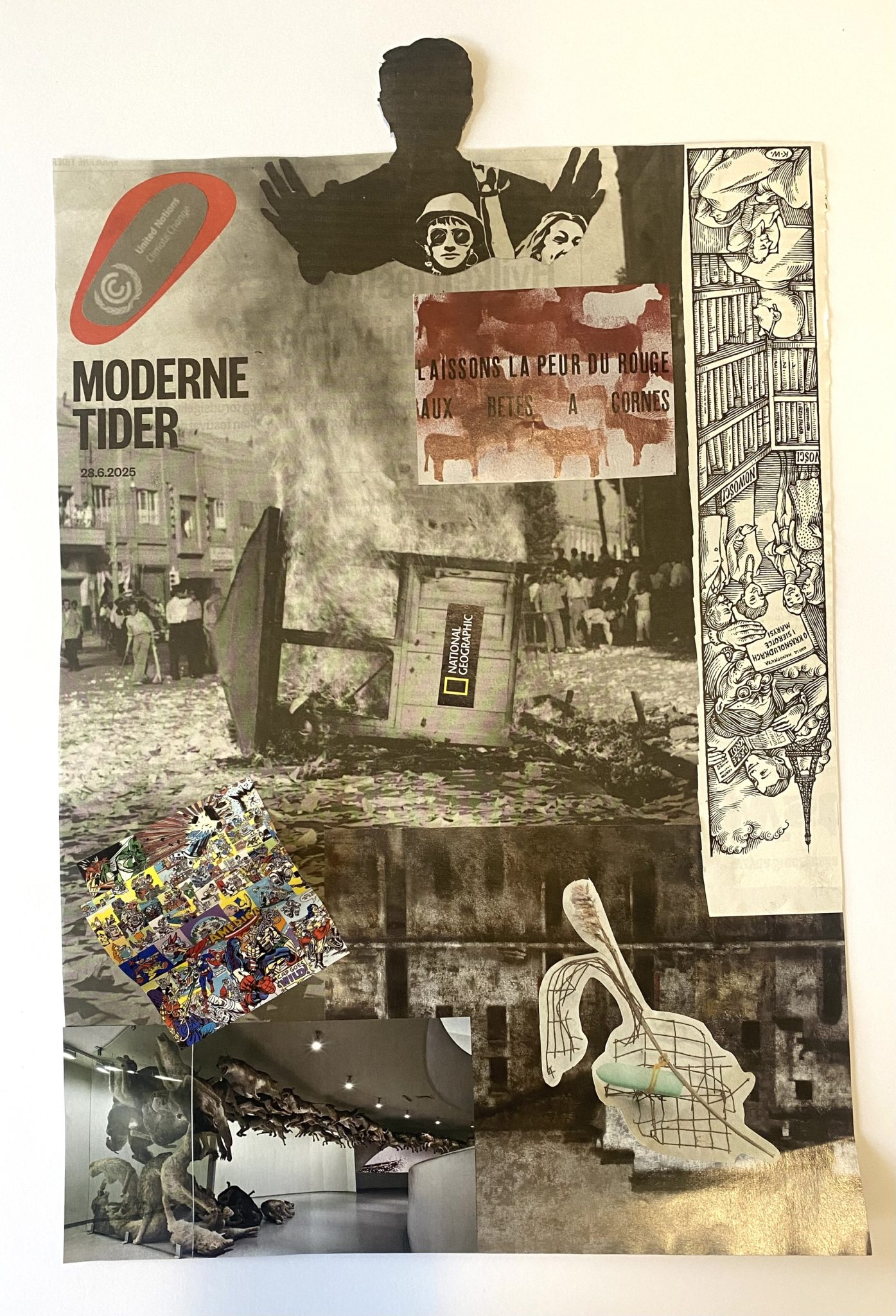
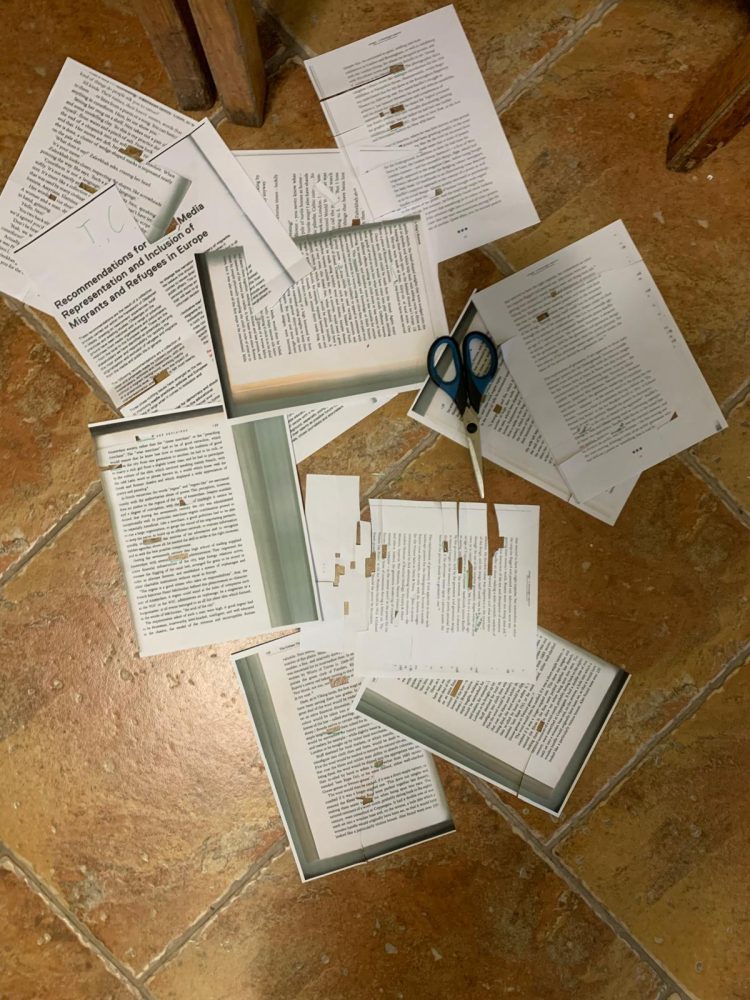
On this day participants explored visual methods that combined photography and reflection. First, they discovered how collage can serve as a tool for visualising different life experiences, emotions, values, and aspirations. After that, they engaged in an activity in which they were invited to create a poetry using collage, gluing together different words from books and then illustrating their work with a photograph. Those two activities combined allowed participants to reflect deeply, open up and build a sense of deepened trust between them.
Day 6
Day 6 was devoted to exploring how photo based tools can be used for community need assessment. First we talked about theory and practice of need assessment and the importance of it in youth work, covering main principles and discussing good practices. Secondly, participants created a map of Puck – their task was to walk around the town, take pictures of places they found interesting/inspiring/surprising and then make a separate audio recording explaining the story behind each picture. Afterwards their task was to create maps of Puck that presented visuals and audio, presenting the story of the town through participants’ eyes.
Day 7
The last day of the training course was devoted to analyzing all the exercises that were implemented on the previous day on a meta level. This means participants had time to reflect on all the tools and think and plan how to adjust them for further use in their own local context of working with young people at risk of exclusion. We also had time for deepened networking during which participants were able to brainstorm for ideas for further international collaboration. The day ended with an extended evaluation and reflection session, during which participants summed up their educational experience, reflected on their learning outcomes (we used YouthPass key competences framework for this) and gave feedback to the trainers and organizers.
As an opera singer, this project showed me how photography can express emotions and stories just like music. I will use what I learned as inspiration in my artistic work, combining visual storytelling with performance to create a stronger connection with the audience.
~ Daniel
Dora
I have lerned some good excercises I will be able to implement in my daily work life I facilitate group sessions for sick children and into my volunteer „job” where I organise weekly activities for a group of children. I also learned some very important soft skills about facilitation of trainings on such emotionally hard topics for the participants.
Hanna
I will use the meta-analyses of exercises as part of the learning proces . Use many of the creative exercises as a way of developing the voices of young people Methods of how to bring young people together despite cultural differences.
.
Maria
When I get back home I am doing the 'Healthie’ training trough my organisation. This basically means I get certified to give workshops with them in school surrounding less approachable topics. This would mainly be in primary and secondary education, and everything I learned will definitely be used here too!