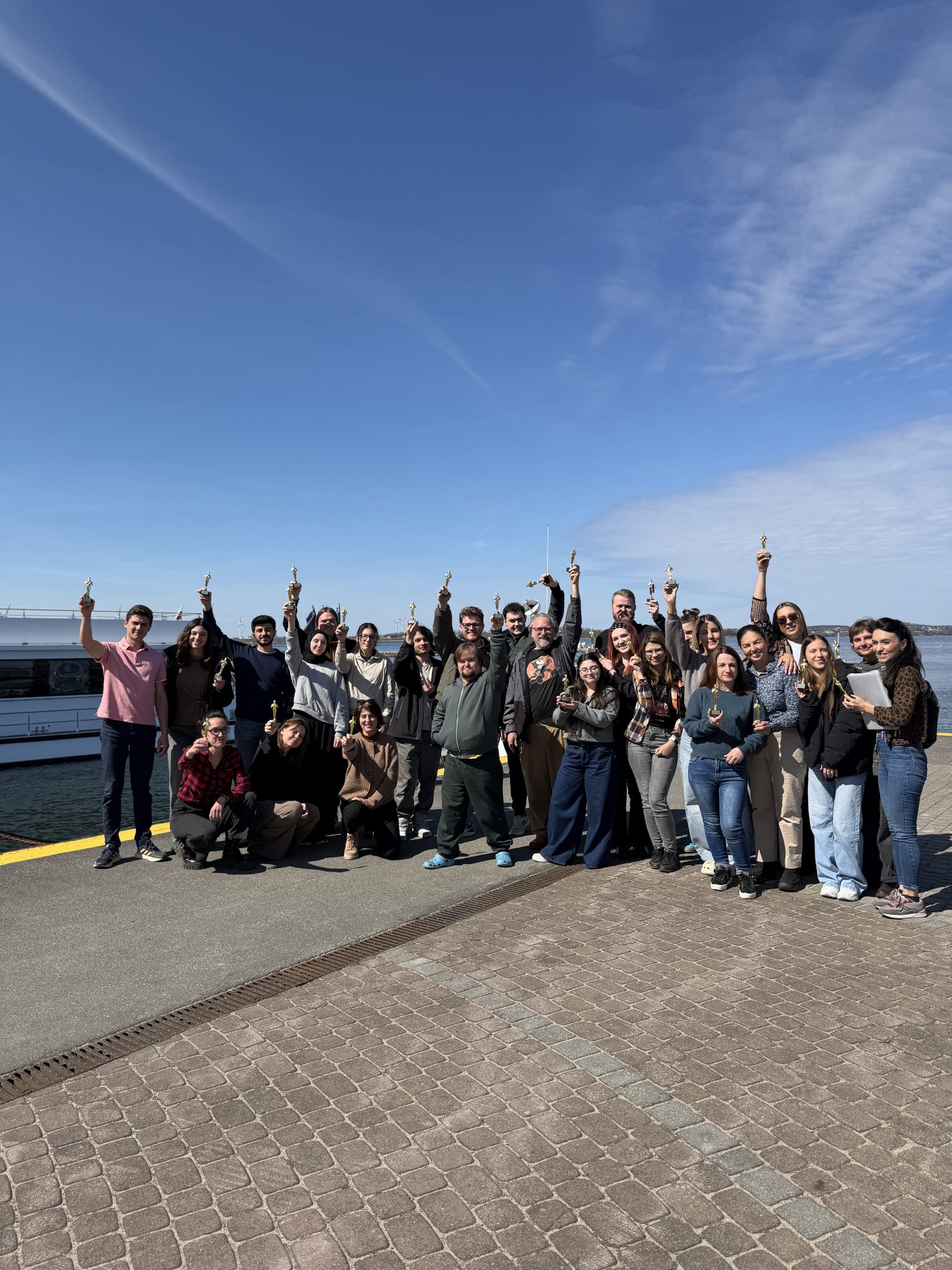
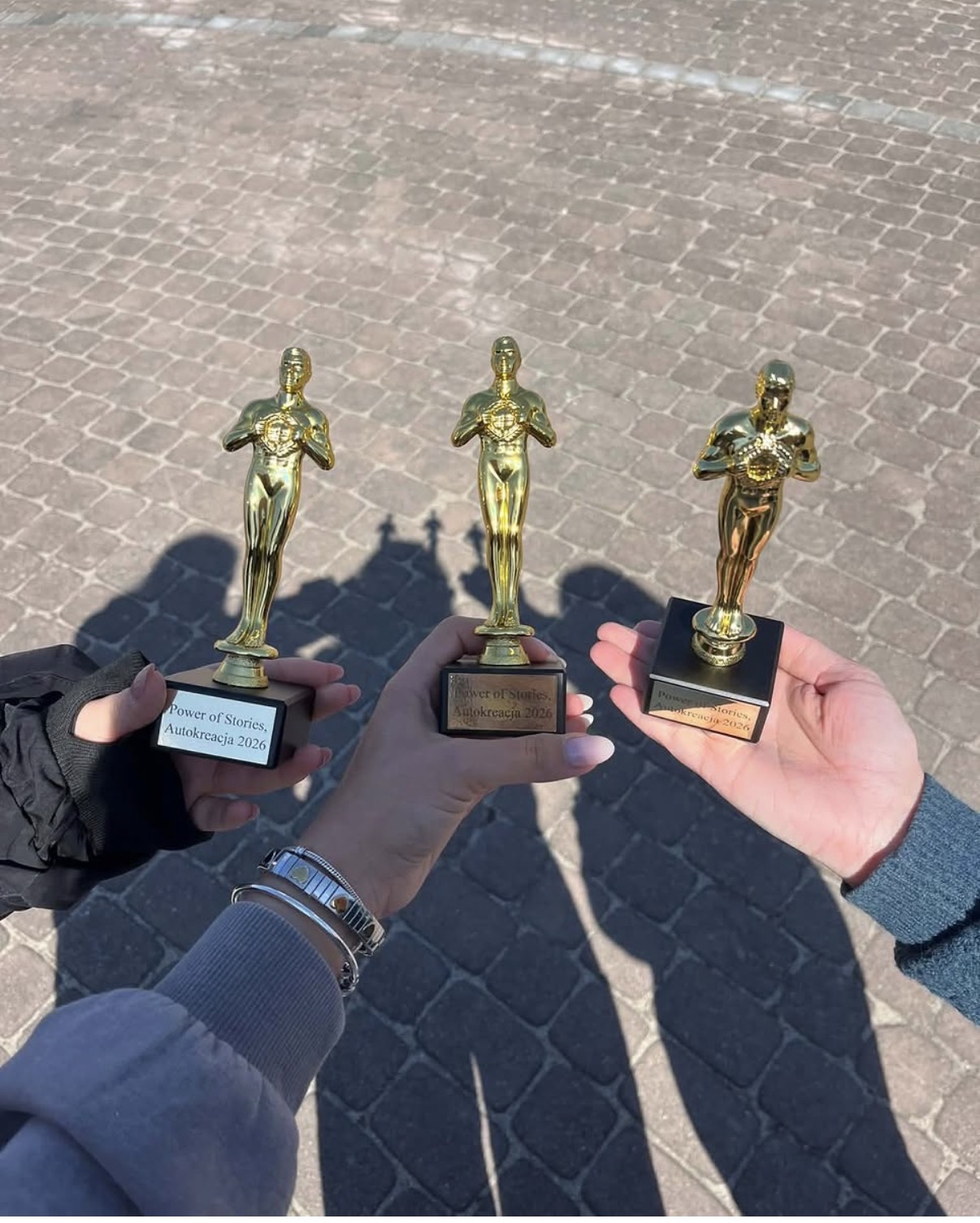
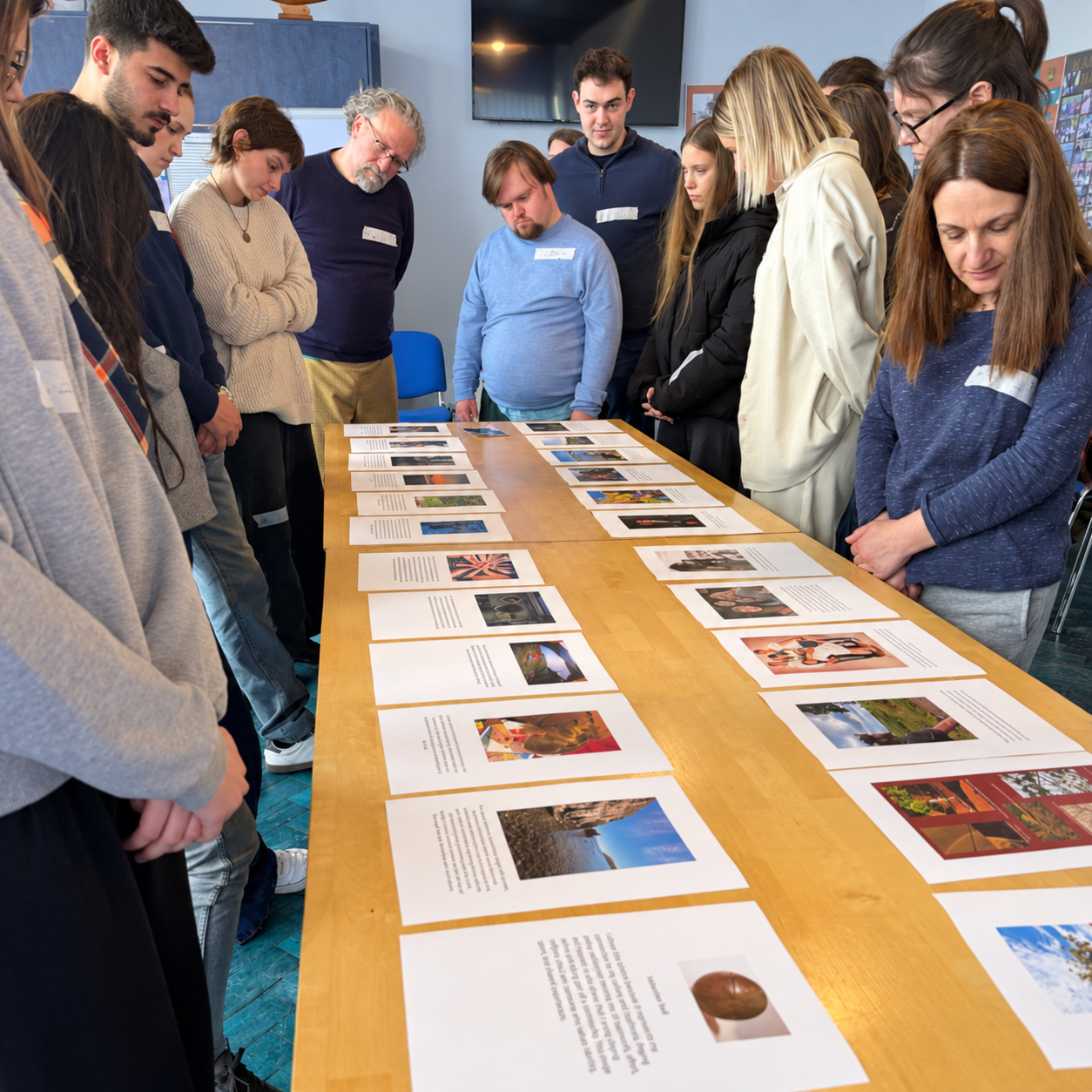
The Power of Stories was a 7 days Erasmus+ training course focused on digital storytelling (Berkeley Method) and how it can be used to support young learners with fewer opportunities. The project gathered youth workers, volunteers and activists from Poland, Greece, the Netherlands, Italy, Turkey, Hungary, Slovakia, Ireland, and Spain.
The main aim of this training course was to discover how storytelling and filmmaking can be used as an educational approach to help young people tell their stories in a digital way and share their personal, unique perspectives with the world. During the project we used “learning by doing” approach, which means that each participant created their own digital story (a film) to get fully immersed in the process and to understand the method. After the films were done, participants meta-analyzed the Berkeley Method and learned how they can adapt it to their own context to match it with the unique needs of the young people they work with in their respective local communities.
DAY 1
On the first day of the training we focused on providing participants with some creative opportunities to get to know each other (wall of connections, story behind your name, team building games and activities). It was a crucial part of the process because it allowed participants to build trust between them and establish safe space for further sharing of their personal stories. The day ended with a structured presentation covering more important aspects of digital storytelling (Berkeley Method).
DAY 2
On the second day participants were divided into three small groups and spent the first part of the day sharing their personal stories and choosing the topic for their future films. This part of the process is called “creative story finding” – to help participants we asked them to use different techniques to explore their past, personal experiences, and emotions. Exercises we used included: the story behind a personal object, writing a post card to a friend, and drawing a map of their childhood neighbourhood. In the second part of the day we had a presentation introducing basic narratives theories and giving instructions for script writing (as each participants were asked to write a short text that was the basis of their digital story)
DAY 3
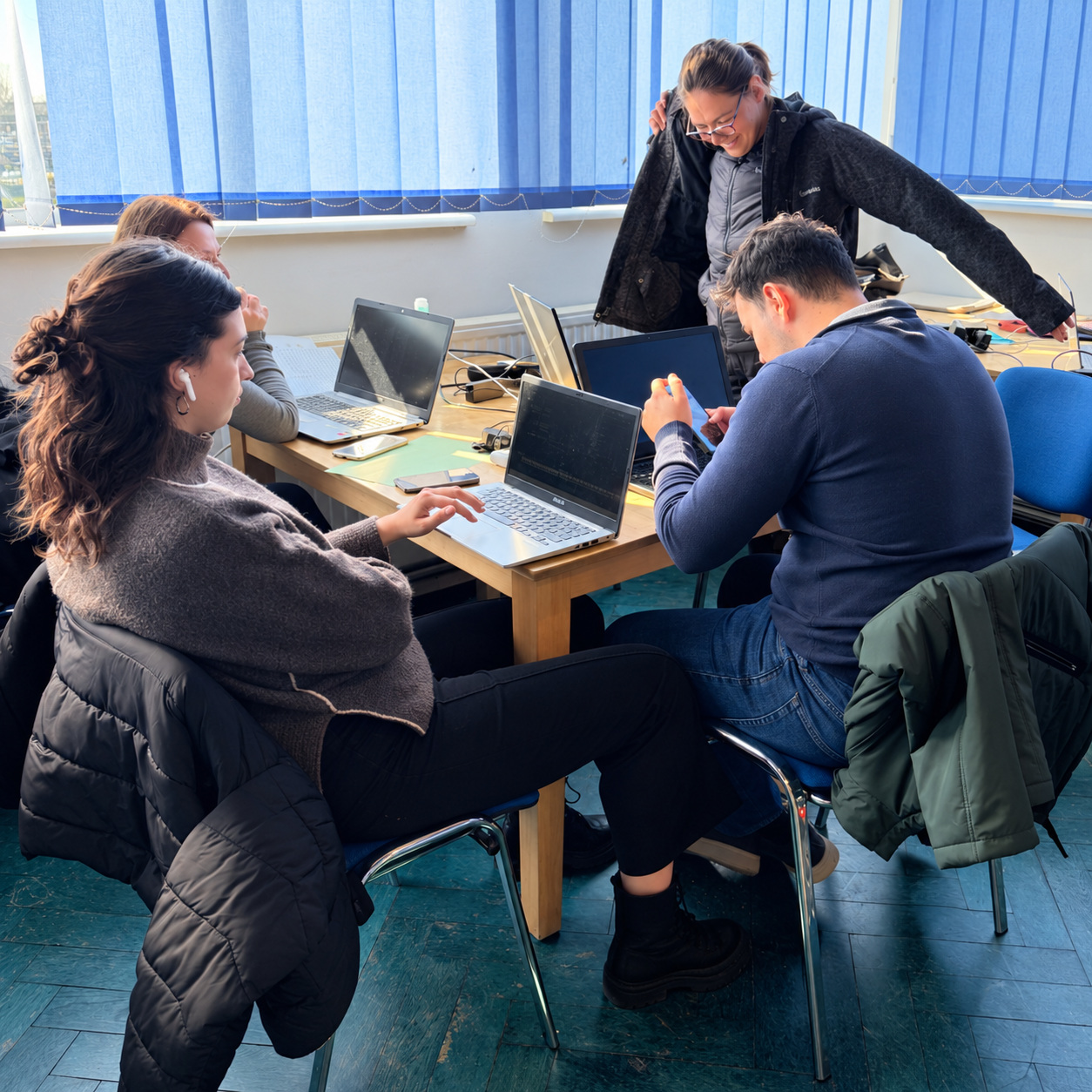
Day 3 marked an important moment in the process as participants gathered in small groups (story circles) and read out their scripts in front of others for the first time. It was a powerful moment which allowed participants to comment on each other’s stories, give advice and support each other. Afterwards there was a presentation about voice recording, and participants proceeded with making voice-overs (audio recordings) for their films. In the afternoon we continued with more individual work, with participants creating visual content (photographs, short video clips, drawings etc.) for their films.
DAY 4
Day 4 was entirely devoted to film editing. Participants, with support from facilitators. learned how to edit their films using free software called CapCut. This was a great way for them to improve their digital skills. In the end of the day everyone had a ready film.
DAY 5
After all the films were finished, on day 5 we had sessions called “screening and celebration”. We set up a room in a “cinema style”, showing each story on the big screen and allowing participants to share how they felt about their final work. Watching the films all together was an important moment in the training as it allowed people to appreciate the small community they created during the week, appreciate each other and feel proud of their final films.
DAY 6
After the screening we focused on analyzing the method and preparing participants to become facilitators and thinking how they can adapt what they learned to their specific local contexts. We started with analyzing each stage of the process (establishing safe space, story finding, script writing, story circle, voice recording, visual content creation, editing, screening). Afterwards participants were divided into small groups and asked to analyze a case study – their task was to brainstorm on creative solutions to some most common challenges that occur during digital storytelling workshops with young people.
DAY 7
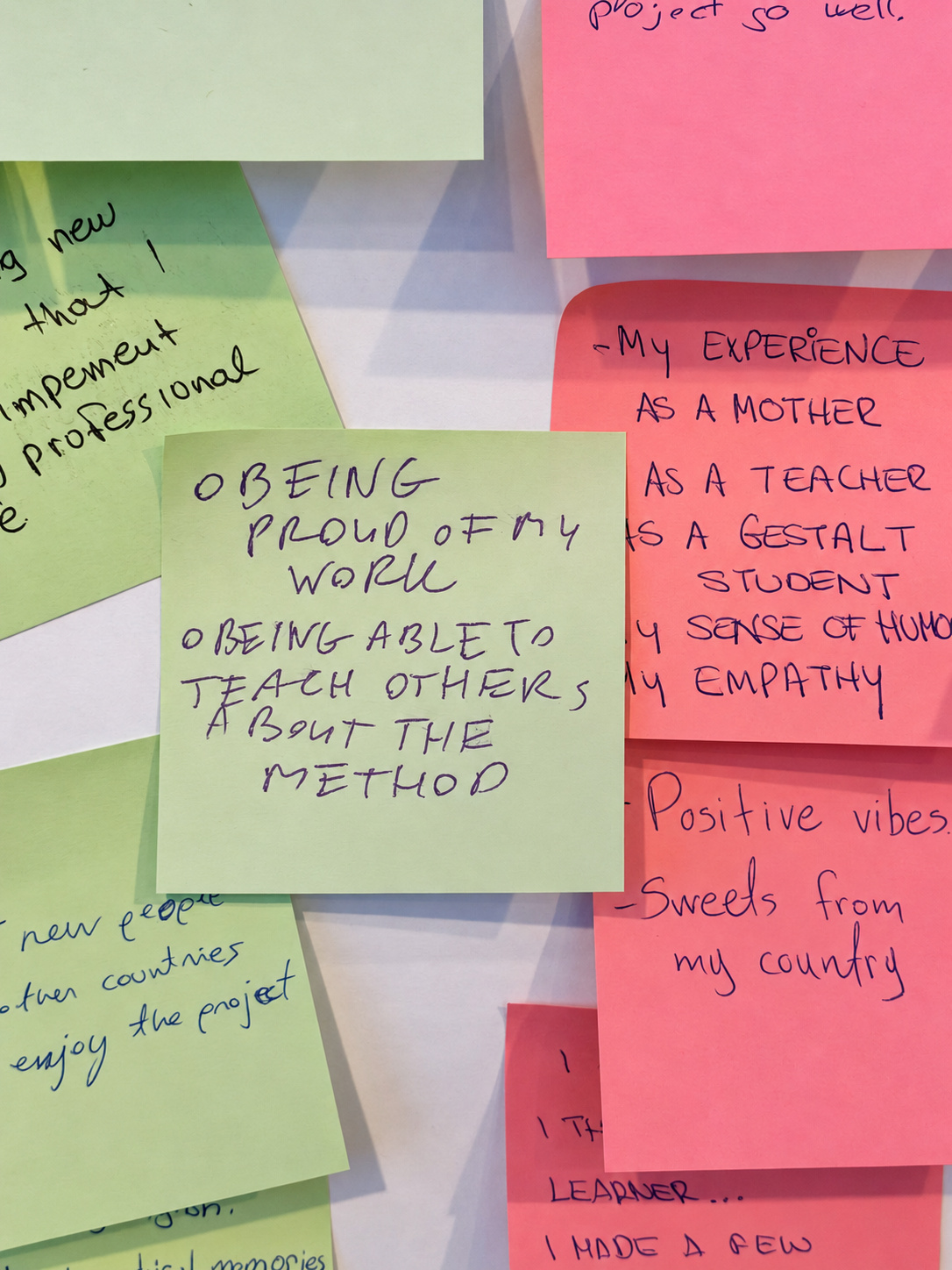
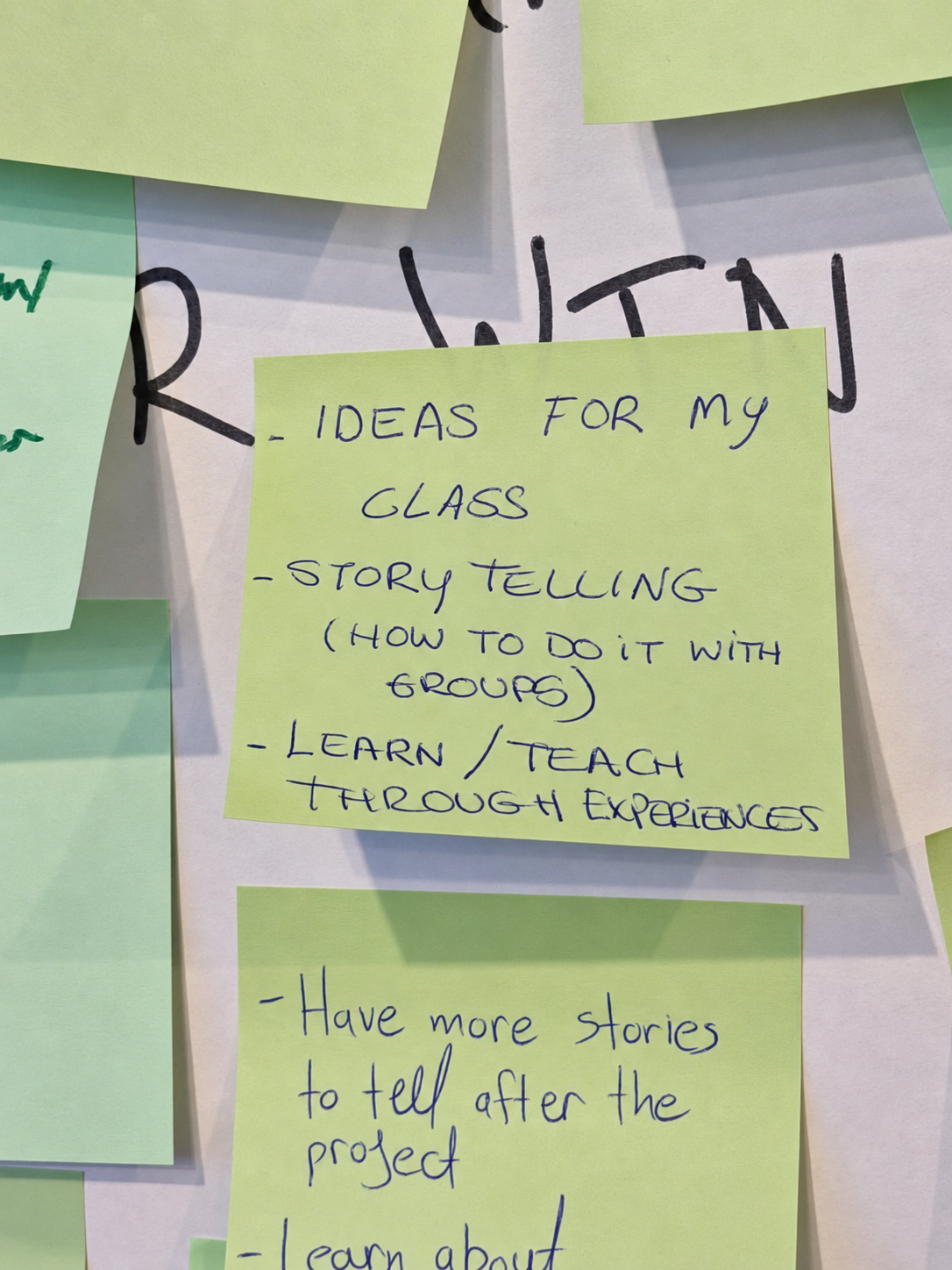
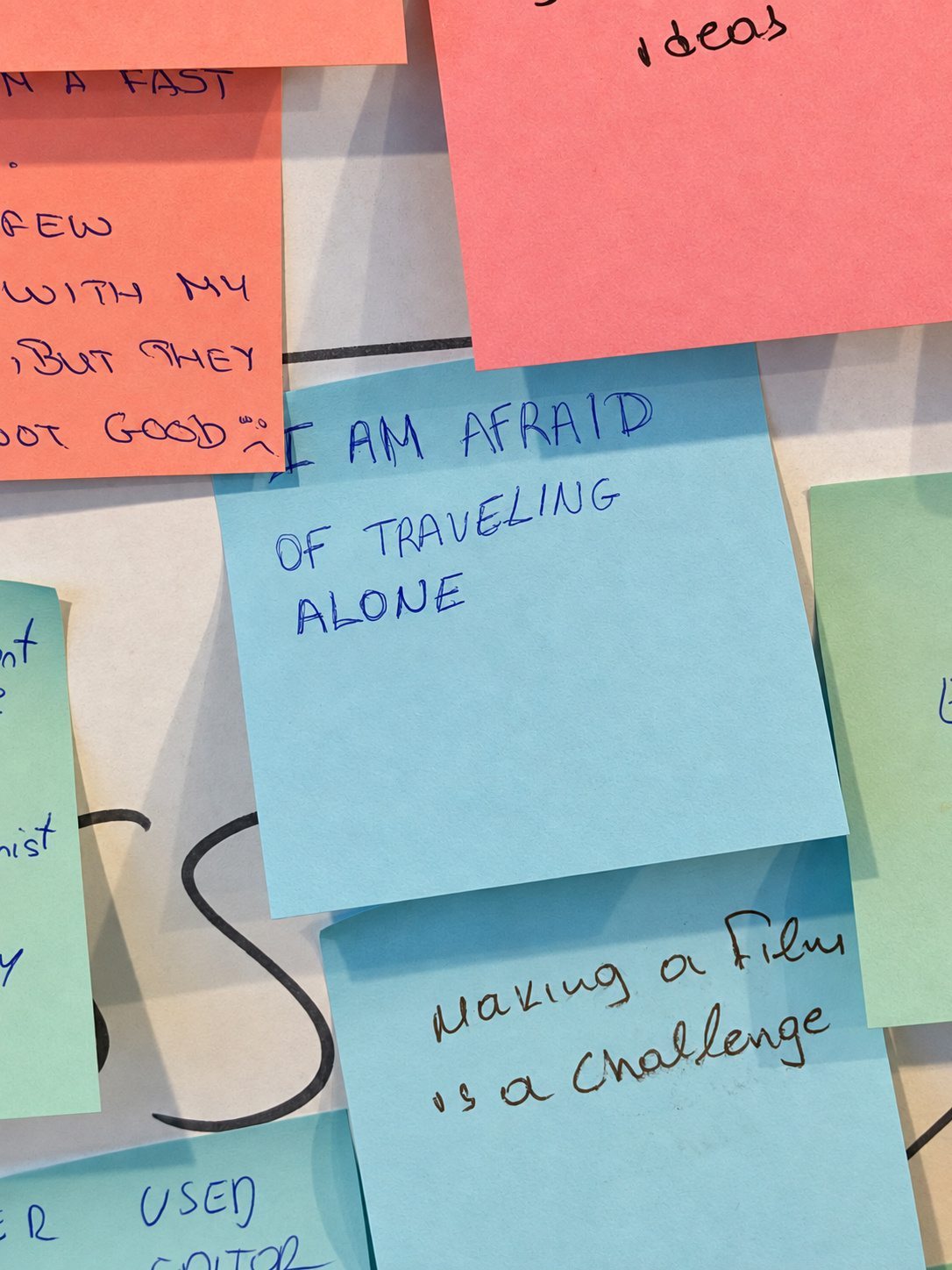
On the last day we continued analyzing the method. We asked participants to prepare small role plays during which they could take turns playing facilitators and practicing their skills, thinking how they would react in challenging situations during the workshops. In the end of the day we also conducted an evaluation of the project (creative dynamic evaluation tools, going back to expectations, contributions, and fears expressed during Day 1, filling out anonymous evaluation forms individually). Each participant also had time to reflect on their competences individually and received a YouthPass certificate.